Drip Irrigation for Indoor Plants Made Simple
A thirsty plant at the back of a grow tent can look fine at lights-on, then wilt by the next cycle because its pot dried faster than the rest. Drip irrigation for indoor plants solves that inconsistency by delivering small, measured amounts of water directly to each root zone. When it is sized and monitored properly, it saves time, reduces guesswork and gives plants a steadier environment to grow in.
It is not a fit-and-forget system, though. Indoor plants have different media, pot sizes, temperatures and feeding requirements, so a good drip setup needs to match the crop rather than simply run on a timer.
Why drip irrigation suits indoor growing
Hand watering gives you a close look at every plant, which is valuable when diagnosing pests, nutrient issues or root problems. But it is difficult to deliver exactly the same volume at the same time every day, especially once you have more than a handful of plants. A drip system brings repeatability to the job.
That repeatability matters in coco, where the root zone is usually kept evenly moist with regular fertigations. It can also help soil and soilless mixes avoid the cycle of becoming bone dry, then saturated. More consistent moisture supports nutrient uptake and helps prevent the stress that can slow growth, particularly under strong LED lighting where plants may use water faster than expected.
For hydroponic growers, drip irrigation can be a simple way to feed plants in coco, rockwool, clay balls or other inert media. A reservoir, pump, timer, main line and drippers can serve several pots without requiring a complicated recirculating system. Run-to-waste setups are often easier to manage because the runoff leaves the pot rather than returning potentially unbalanced nutrients to the reservoir.
The trade-off is that automation does not replace observation. A blocked dripper, leaking fitting or empty reservoir can affect a plant quickly. Treat your irrigation system as a tool that gives you control, not as a reason to stop checking the garden.
Choosing a drip irrigation system for indoor plants
Start with the plants and their root media. A small collection of houseplants in potting mix needs a gentler, less frequent approach than a tent full of fast-growing plants in buffered coco. Pot size matters too. A large fabric pot can accept a longer irrigation event than a small nursery pot, but its water use may still depend heavily on plant size and room conditions.
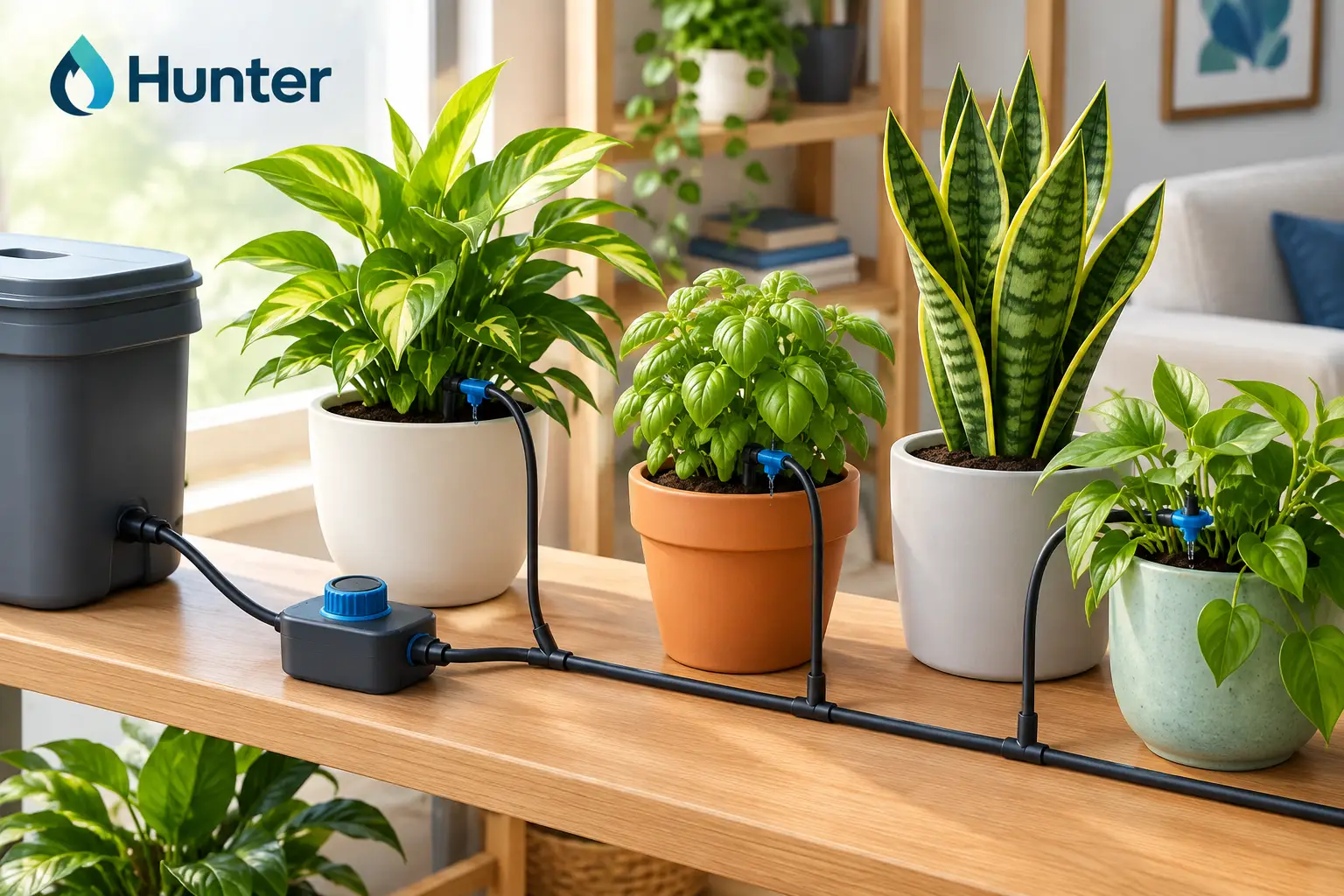
A basic indoor system includes a lightproof reservoir, submersible pump, irrigation tubing, fittings, stakes or drippers, a filter and a reliable timer. The filter is easily overlooked, yet it helps keep fine sediment from entering drippers. Choose a reservoir that holds enough solution for your intended interval without leaving nutrient mix sitting too long in a warm room.
For a few plants, simple open-ended stakes or low-flow drippers may be enough. For larger gardens, pressure-compensating drippers are useful because they deliver a more even flow across longer line runs. This can make a noticeable difference when pots are spread around a tent or greenhouse bench.
Keep the layout practical. Use a main line around the outside of the growing area, then run short feeder lines to each pot. Secure every connection and place pots in trays so a minor leak does not become a wet-floor problem. Before introducing nutrients, run clean water through the system and inspect every outlet.
Match the emitter to the medium
Fast-draining media such as coco can handle multiple short irrigations, provided each event creates the right degree of moisture and, where appropriate, some runoff. A slow-draining potting mix generally needs fewer, more separated watering events. Applying nutrient solution too often to dense mix can leave roots short of oxygen and invite fungus gnats or root disease.
Drippers also need to spread water across the root zone rather than creating one permanently wet pocket. In larger pots, two drippers per plant may wet the medium more evenly than one. This is particularly helpful in fabric pots, where a single point of delivery may not reach the outer root zone effectively.
Set the flow before relying on the timer
Timer settings should be based on measured output, not guesswork. Put a dripper into a measuring jug, run the pump for a known time and check how much water it delivers. Repeat this for several points along the line. If one outlet is noticeably weaker, check for a kink, blocked emitter or an unsuitable pump and line combination.
Once you know the flow rate, begin conservatively. Water long enough to moisten the intended root zone, then assess the pot weight, plant response and any runoff. It is easier to add a second short event than to recover from media that has stayed waterlogged for days.
There is no universal schedule. A young plant in a cool room may need only occasional watering, while established plants under warm lights and active airflow may drink heavily. As plants move from propagation into vegetative growth and then flowering or fruiting, their demand can change substantially. Adjust irrigation timing as the crop changes rather than holding onto the same programme from start to finish.
Check pots at different times in the light cycle. Plants often transpire more while lights are on, and watering patterns may need to reflect that. Avoid a large late-cycle irrigation if it drives humidity up when lights switch off. Managing irrigation alongside extraction, circulation fans and dehumidification keeps the growing environment easier to control.
Nutrients, pH and EC still need attention
When nutrients are delivered through drip lines, clean mixing practices matter. Fill the reservoir with water first, add nutrients in the recommended order and stir thoroughly between additions. Never combine concentrated products together before diluting them, as this can cause precipitation that blocks lines and makes nutrients unavailable.
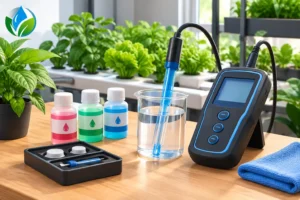
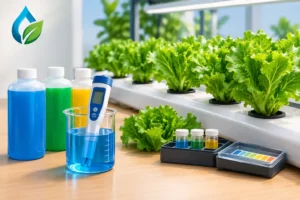
Measure pH after mixing. The ideal range depends on the medium and nutrient programme, but pH outside the suitable zone can limit uptake even when the feed looks correct on paper. EC is equally useful because it shows the total strength of the nutrient solution and helps you avoid underfeeding or pushing plants too hard.
Runoff readings can provide another useful clue in coco and other fertigated media. If runoff EC climbs well above the feed EC, salts may be building up around the roots. If it is consistently much lower, the plant may be taking up nutrients quickly or receiving more irrigation than required. Readings are guides, not isolated verdicts. Consider them alongside leaf colour, growth rate, pot moisture and the stage of growth.
Keep reservoirs shaded from light and as cool as practical. Light encourages algae, while excessive heat can reduce dissolved oxygen and shorten the usable life of a nutrient solution. If your water is hard or your nutrient range is prone to sediment, clean filters and inspect drippers more frequently.
Common drip irrigation mistakes
The most common mistake is assuming every pot needs the same volume. Even plants of the same variety can differ in size and water use. Group similar plants together where possible, and use separate zones if one section of the garden has very different needs.
Another problem is using irrigation to compensate for an unsuitable medium. If potting mix stays wet for too long, adding shorter timer intervals will not fix the underlying drainage issue. Improve the medium, pot choice or environmental conditions first.
Do not wait for a failure before checking the system. At least once a week, inspect the reservoir level, pump, filter, tubing and each dripper. Lift a few pots to judge their moisture level, and look for dry edges, algae, puddles or uneven growth. Flush lines with clean water between crop cycles and whenever changing products that may leave residue.
Power interruptions also deserve a plan. If your system relies on a digital timer, confirm it keeps its settings after a blackout or reset it promptly. For high-demand crops, it is wise to know how long plants can safely go without irrigation and to keep a hand-watering option ready.
A simple way to build confidence
Start small and prove the system before expanding it. Set up one zone, measure the output and watch the plants for a week. Keep notes on run time, reservoir use, room temperature, humidity, pH and EC. Those observations turn an automated setup into a controlled growing process.
The right drip system should make daily care easier while giving every plant a fair chance to perform. If you are unsure about pump size, dripper flow or how often to feed your chosen medium, the Hunter Hydro team can help match the gear to your grow space and goals. A few careful checks at the start can lead to healthier roots, steadier growth and more satisfying results right through the cycle.