A timer that runs two minutes too long or starts at the wrong time can quietly hold a grow back. Learning how to set irrigation timers gives plants consistent access to water and nutrients without leaving roots waterlogged, dry or short of oxygen. Whether you are hand-building a small coco system, managing drippers in a greenhouse or running a recirculating hydro setup, the aim is the same: deliver the right amount of solution at the right interval for your plants, medium and environment.
Start with the irrigation system, not the timer
A timer only controls when the pump or valve runs. It cannot correct an uneven system, a blocked dripper, poor drainage or a reservoir that is running low. Before programming anything, fill the reservoir with plain water and run the system manually. Check that every pot, tray or site receives a similar amount of water.
Look closely at runoff and drainage. In coco, soil and other media, water should wet the root zone evenly and drain freely rather than pooling around the base of the plant. In hydroponic systems such as flood and drain, confirm that trays fill and drain as intended. If one line has weak flow, fix that first. A perfectly programmed timer cannot produce consistent results from inconsistent irrigation hardware.
Make sure your pump has enough capacity for the number of drippers or spray stakes connected to it. Long runs of narrow tubing, clogged filters and mismatched fittings can all reduce pressure at the far end of the line. A filter between the reservoir and irrigation lines is a simple safeguard, particularly when using organic additives or nutrient products that can leave residue.
Choose a timer with enough control
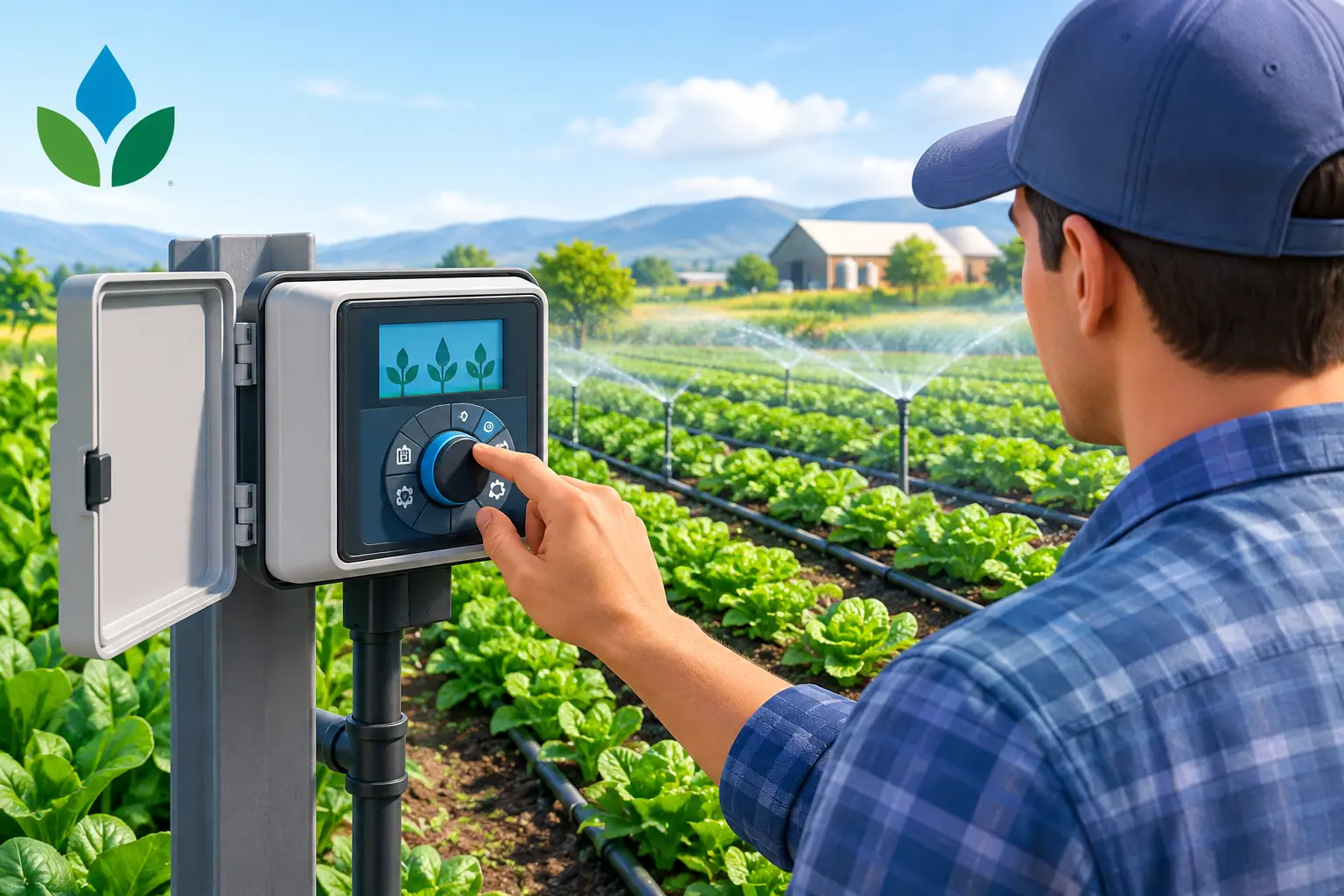
For simple outdoor watering, a tap timer may be all you need. For indoor gardens and nutrient-fed systems, a digital timer with several daily on/off programs is usually more useful. It lets you run short, repeatable watering events through the light period rather than one oversized feed.
The best timer type depends on how precise the system needs to be. Mechanical timers are affordable and straightforward, but their smallest setting is often 15 minutes. That is far too long for many dripper-fed coco setups, where a one- or two-minute event can be enough. Digital timers commonly offer one-minute increments, while cycle timers can provide second-level control for high-frequency fertigation.
Use a timer rated for the pump’s electrical load and suited to your growing environment. Keep plugs, power boards and timer connections raised off the floor and away from leaks. For a high-value grow, consider a timer with battery backup so settings are retained after a power interruption.
Set the clock and check the actual switching time
Set the timer’s current day and time first, then program one short test event. Stand by when it starts. Some timers switch a minute early or late, while others can be confusing when changing between AM and PM modes. It is much easier to catch a programming error during a test than after a hot afternoon in the grow room.
How to set irrigation timers around the light cycle
For most indoor plants in pots, coco or rockwool, schedule irrigation during the lights-on period. Plants transpire more actively when light, warmth and airflow are present, so they can take up water and nutrients more effectively. Watering when lights are off can leave media overly wet for longer, particularly in a cool room with limited airflow.
A good starting point is to begin the first irrigation event 30 to 60 minutes after lights come on. This gives plants time to become active. Finish the final event one to three hours before lights off, allowing the root zone to reach an appropriate moisture level overnight.
That said, the right schedule depends on plant size and conditions. A dense, warm canopy under strong LED lighting may need several small feeds throughout the day. Young plants in large pots may only need occasional watering because their small root systems cannot use the whole container’s moisture. Do not increase frequency simply because the timer can do it.
For outdoor irrigation, early morning is generally the most efficient time to water. It reduces evaporation compared with the middle of the day and gives foliage time to dry, which can help limit fungal pressure. In very hot Australian conditions, a second short cycle may be useful for containers or greenhouse crops, but avoid turning watering into a substitute for adequate pot size, shade and airflow.
Set run time by measuring output
Guessing run time is where many growers run into trouble. Instead, measure the water delivered by one dripper or stake over a set period. If a dripper supplies two litres per hour, it delivers roughly 33 millilitres per minute. A two-minute cycle therefore gives about 66 millilitres per dripper.
Run the system with plain water for one, two and five minutes, collecting output in a measuring jug if practical. This reveals what each duration really means in your setup. From there, adjust the number of events and their length based on pot size, plant demand and the amount of runoff you want.
For coco grown with mineral nutrients, many established plants perform well with frequent small feeds that produce a modest amount of runoff. This helps refresh the root zone and limit salt build-up. The exact target varies with nutrient strength, cultivar, container size and climate, but runoff should not be ignored. Check its EC and pH periodically against the feed solution to see what is happening around the roots.
In soil, longer and less frequent watering is usually more appropriate. Soil holds moisture differently from coco and benefits from some drying between irrigations. Constant small feeds can keep it too wet, reducing oxygen around the roots and increasing the risk of slow growth or root disease.
Rockwool requires close attention to moisture content and dry-back. Small plants in large slabs or blocks can be easily overwatered, while mature plants under intense light may need frequent events. Use pot weight, block feel, runoff volume and plant response together rather than relying on a generic schedule.
Use plant signals and measurements to refine the program
A timer program is a starting point, not a set-and-forget solution. Plants use more water as roots fill the pot, foliage expands and temperatures rise. They use less after transplanting, during cool weather, under lower light or when humidity is high. Reassess the schedule at each major growth stage.
Check pots shortly before the first feed of the day and again near lights-off. A very light pot before the first event suggests plants may be drying back too hard. A heavy, saturated pot at lights-off may indicate too much volume, too many events or inadequate drainage.
Watch the leaves as well. Persistent drooping in wet media can point to overwatering or poor root oxygen, while leaves that repeatedly wilt before scheduled feeds may need more frequent irrigation. Similar symptoms can also come from heat, pests, root disease or incorrect EC, so confirm moisture and runoff before changing the timer.
Keep a simple record of irrigation times, duration, reservoir EC, pH, room temperature and plant response. It turns small adjustments into useful grow data. When you find a schedule that keeps plants vigorous and runoff stable, you have a repeatable baseline for the next cycle.
Common timer mistakes to avoid
The most common issue is programming for convenience rather than plant demand. One long daily watering can create dry periods followed by saturation, especially in coco. Shorter, well-spaced events are often easier for plants to use.
Other problems are easy to miss until growth slows:
- Running irrigation at night in a cool, humid grow space.
- Using a 15-minute mechanical timer for a system that needs one-minute feeds.
- Forgetting to account for increased water use during peak growth and warmer weather.
- Allowing a reservoir to run low enough that the pump draws air or nutrient concentration rises.
- Leaving blocked drippers, uneven pressure or poor drainage unresolved.
If you are changing nutrient strength, light intensity or room temperature, expect irrigation needs to shift as well. More powerful lighting can increase transpiration and nutrient demand, but only when root-zone conditions, airflow and environmental control are keeping pace.
Build reliability into every irrigation day
Check the reservoir level daily and inspect lines, fittings and drippers regularly. Clean filters, flush lines between crops and keep spare fittings on hand. A leak can empty a reservoir, while a single blocked emitter can leave one plant behind the rest of the canopy.
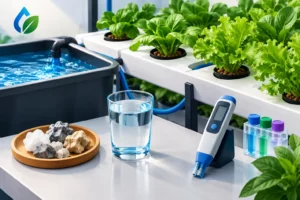
For growers using automated hydroponics, a pH and EC metre is just as valuable as the timer. The timer delivers the solution, but pH affects nutrient availability and EC indicates nutrient concentration. These three controls work together to support healthy roots, efficient photosynthesis and consistent growth.
The right schedule should make your garden feel predictable, not complicated. Start conservatively, measure what the system delivers and let the root zone guide each adjustment. If your setup has unusual requirements, the Hunter Hydro team can help match the timer, pump and irrigation method to your plants, growing medium and production goals. Your success is our success.