A tray of seeds can look inactive for days, then suddenly produce an uneven patchwork of sprouts. Often, the difference is not the seed quality or nutrient strength. It is root-zone temperature. Seedling heat mats provide gentle warmth beneath propagation trays, helping create the stable conditions many seeds need to germinate quickly and evenly.
For growers starting plants in a cool garage, greenhouse, spare room or grow tent, a heat mat can be one of the simplest ways to improve propagation results. The goal is not to cook the seed tray. It is to maintain a consistent, species-appropriate temperature around the seed and early root zone while keeping moisture, airflow and light in balance.
What seedling heat mats actually do
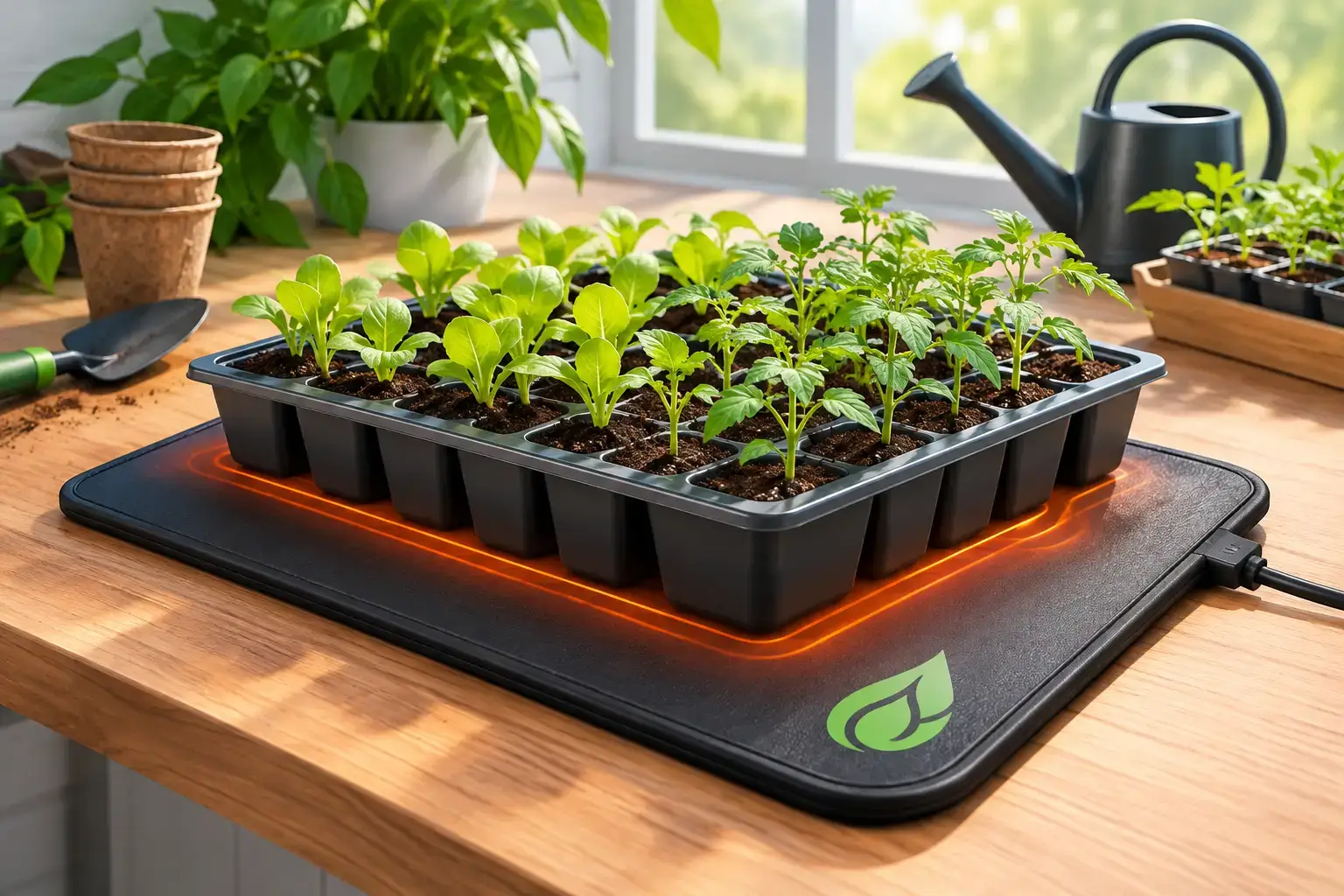
Seedling heat mats are low-wattage, waterproof mats designed to sit beneath seedling trays, propagation domes or small pots. They warm the growing medium from below, which is particularly useful because germination is driven by conditions around the seed rather than the air temperature across the whole room.
Warmth activates the biological processes that allow a viable seed to absorb water, break dormancy and send out its first root. When media temperatures fluctuate between cold nights and warmer days, germination can be slow and staggered. A mat reduces that swing, so more seeds tend to emerge within a tighter window.
That consistency matters beyond the first sprout. Even emergence makes it easier to manage lighting, watering and transplanting. Instead of a tray containing tall seedlings alongside seeds that are still waiting to germinate, you have a more uniform crop that can move forward together.
Heat mats are especially useful for warm-season plants such as tomatoes, chillies, capsicum, eggplant, cucumbers, melons and many herbs. They can also help with cuttings and propagation media that need steady warmth to encourage root development. However, they are not automatically the right choice for every species. Some cool-climate seeds germinate well without extra heat, and some seeds have specific temperature or light requirements that bottom heat alone will not solve.
When a seedling heat mat makes sense
Australian conditions vary widely. A warm, stable indoor area may already provide enough warmth for easy-germinating seeds. But in winter, during cool nights in the Hunter region, or in an unheated greenhouse, the media in shallow trays can become much colder than expected. That is when a seedling heat mat earns its place.
It is also useful when you want to start seasonal plants before outdoor conditions are ready. Starting seedlings indoors gives you a head start, but only if the environment supports reliable germination. A mat helps turn a cold windowsill or propagation shelf into a more controlled growing zone.
Hydroponic growers can benefit too. Whether you are raising seedlings in plugs, coco, rockwool or another propagation medium, stable root-zone temperatures support fast, even establishment. The important point is that a heat mat supports propagation. It does not replace correct moisture levels, suitable light or a well-managed nutrient program once the seedlings are established.
Use a thermostat for control, not guesswork
A heat mat without a thermostat will usually raise media temperature above the surrounding room, but the actual result depends on the tray, the bench surface, room temperature and whether a humidity dome is fitted. In a warm room, that extra heat may be more than your seeds need. In a cold shed, it may be just enough.
A thermostat takes the guesswork out of the setup. Place the probe in the growing medium, ideally around the depth of the seeds or in a representative plug, then set the target temperature recommended for the variety you are growing. For many warm-season vegetables, a root-zone range around 20-28°C is useful during germination, though the ideal point varies by plant.
Do not rely on air temperature alone. A room that feels comfortable can still have a chilly tray sitting on a concrete floor or metal bench. Likewise, a covered propagation tray on a heat mat can hold more warmth than the room suggests. A simple thermometer in the media is valuable even when using a thermostat.
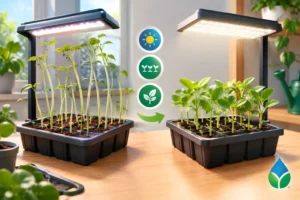
Once most seeds have emerged, reassess the setup. Seedlings usually need less bottom heat after germination and more attention to strong, appropriate lighting and gentle airflow. Leaving young plants too warm under weak light can lead to soft, stretched growth. Reduce or remove heat as required, particularly if the growing area is already warm.
Setting up seedling heat mats properly
Start with a clean, level surface away from splashing water and direct weather exposure. Place the heat mat flat, with your propagation tray centred on top. Do not fold, puncture or place heavy objects on the mat, and avoid using it in a way that traps excessive heat beneath or around it.
Fill cells or pots with a suitable propagation medium and water it evenly before sowing. The medium should be moist throughout but never waterlogged. A heat mat speeds evaporation, so trays may dry more quickly than they would on a bench. Check them regularly, especially around the edges and beneath humidity domes.
A clear dome can help retain humidity while seeds are germinating, particularly for fine seeds or plugs that dry quickly. It also reduces moisture loss from the surface. The trade-off is that a closed dome can create very humid, stagnant conditions, which encourages damping-off and fungal problems. Wipe away heavy condensation, use vents where available and remove the dome soon after seedlings emerge.
Good propagation is a balance of four factors: warmth, moisture, oxygen and cleanliness. A heat mat addresses warmth. It cannot compensate for old seed, compacted media, overwatering or poor hygiene. Wash trays between runs, use fresh propagation media, and avoid crowding seedlings once they are up.
Give seedlings enough light straight away
One of the most common propagation mistakes is providing bottom heat but not enough light. Seeds do not require light to germinate in every case, but newly emerged seedlings need it immediately. Position them beneath a suitable LED grow light or in a bright location with adequate intensity, rather than relying on dim window light.
Keep the light close enough to provide useful output without stressing tender foliage. The correct height depends on the fixture and its power. If seedlings stretch, lean or develop long gaps between leaves, increase light intensity or bring the fixture closer within the manufacturer’s safe operating guidance.
A small fan on a low setting can also improve air movement once seedlings are established. Gentle airflow helps reduce stagnant humidity and encourages sturdier stems. It should move the air around the tray, not blast young plants until they dry out.
Avoid the mistakes that slow germination
Overheating is the main risk. More warmth is not better. Excessive media temperature can reduce germination, stress emerging roots and increase the chance of disease in wet media. A thermostat, a probe placed correctly and regular checks are a far better approach than setting a mat and forgetting it.
Overwatering is the other frequent issue. Warm, saturated media has less available oxygen, and seeds need oxygen as they germinate. Water lightly and evenly, then allow the surface to begin drying before adding more. The exact rhythm depends on the medium, tray size, humidity and plant type, so use the weight and feel of the tray as your guide rather than following a rigid daily schedule.
It is also worth avoiding the temptation to feed too early. Most seedlings have enough stored energy to emerge without added nutrients. Once the first true leaves develop, begin a gentle feeding program suited to your growing system and medium. For hydroponic propagation, keep pH and EC within an appropriate range for young plants rather than applying a full-strength vegetative feed.
Finally, match your equipment to the scale of your propagation. A single small mat is ideal for a few trays, while a larger propagation area may need several independently controlled zones. Separating warm-season seedlings from cool-season varieties makes it much easier to give each group the conditions it prefers.
A small tool with a big propagation payoff
Seedling heat mats are not a shortcut around good growing practice. They are a practical environmental-control tool that helps remove one major variable at the stage where consistency matters most. Used with clean media, careful watering, proper lighting and sensible temperature control, they can turn slow, uneven trays into healthier starts ready for the next stage of growth.
If you are unsure which mat size, thermostat or propagation setup suits your space, Hunter Hydro can help match the equipment to your plant type and growing goals. Start by checking the temperature in your tray, then give your seeds the steady conditions they have been waiting for.